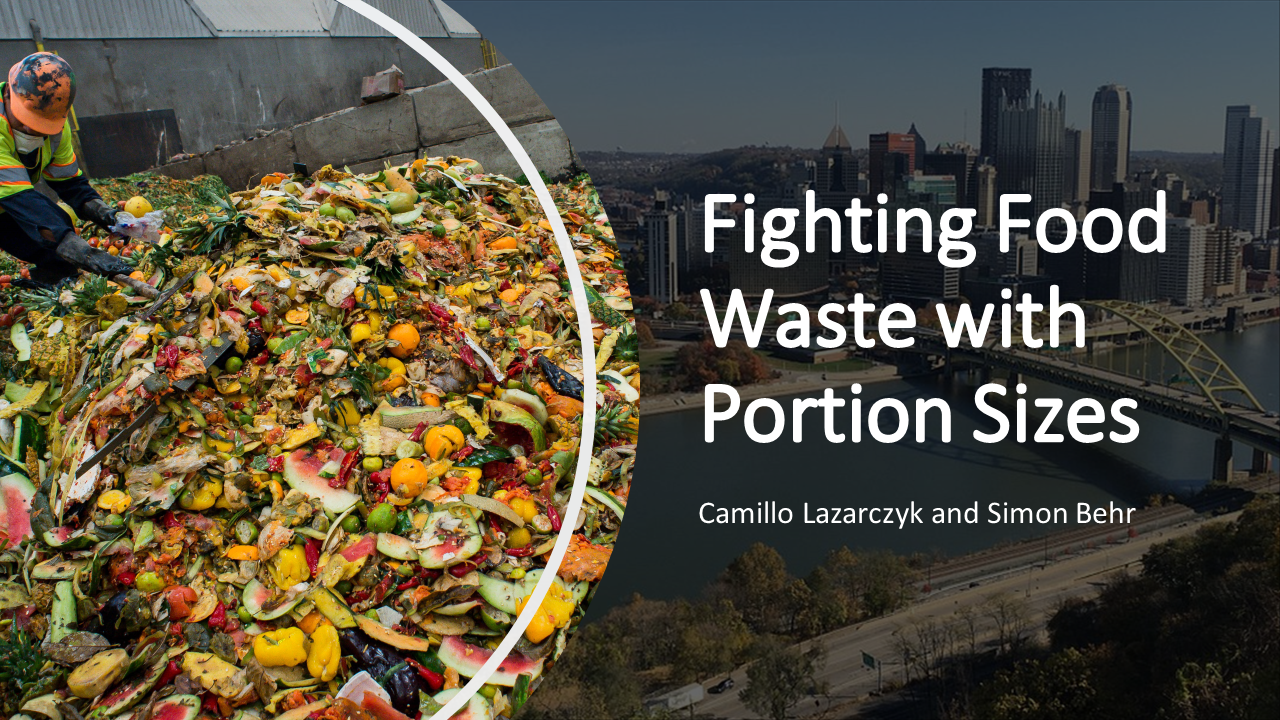
Fighting Food Waste With Portion Sizes

Problem Statement: The US wastes nearly 40% of our food, creating 125-160 billion pounds of waste annually, leading to high emission rates, resource depletion, and food insecurity. Research Question: What are the most effective waste mitigation and management strategies in the restaurant industry that could be utilized to produce a more sustainable environment? A survey administered on campus to classmates to investigate habits, behaviors, knowledge, and potential solutions around food waste yielded significant differences in how much of a meal was thrown out between fast food restaurants, full service restaurants, and buffets. While 25% of respondents throw out 11% or more of their meal at fast food restaurants, the amount of respondents throwing out 11% or more of their meal swells to 37% at full service restaurants. Asked why they throw this food out the most common responses included: Too large portions, ordering too much, inconsistent appetite, and leftovers brought home being thrown out. We deduce the differences are due to one size fits all plates, which are typically over the recommended calorie count. While a variation of small, medium and large sizes are often offered at fast food restaurants, no such options exist at full service restaurants. Males said the portion size of their meal correlated to their appetite 69% of the time but females said the correlation only occurred 57% of the time. Presented with various food waste mitigation strategies respondents were most in favor of the idea of customized menus with multiple portion options. 92% of respondents said they were at least somewhat likely to purchase a smaller portion for less cost. Meanwhile, 55% of respondents are somewhat likely to order smaller food portions for the identical price of the larger meal. Therefor in order to reduce food waste we propose implementing multiple portion options at restaurants. Continue reading Fighting Food Waste With Portion Sizes

Sustainable Residential Microgrid with Permaculture – A Building Block in Sustainable Communities of the Future

Established initially as a research station by the Bucknell University Sustainable Energy Research Team (BUSERT), the microgrid was created to demonstrate off-grid operation of a residential home using the power systems of a PV Array and natural gas generator to supplement typical grid power. Over the past six years the microgrid site has evolved to demonstrate more climate friendly alternatives to energy storage and to demonstrate the benefits of permaculture and organic practices that can be applied in to typical residential settings. The authors share the key elements of the systems employed at the site to decrease it’s carbon footprint overtime and to capture carbon in the process. The technologies include: electric hybrid transportation, photovoltaic array, ultra-high efficiency natural gas heating, load management control via the microgrid Raspberry-Pi, pyrolysis, pollinator gardens, perennial gardens, natural herb gardens and fruit and nut trees, organic compost supplementation and garbage/organics composting, rainwater capture, etc.

During the past few years the site has experienced increases in the insect (particularly bees), amphibian and small mammal populations as the landscape has become increasingly organic in nature. From a technology standpoint the microgrid has operational capability to pull power from the grid, send excess generation to the grid or operate in an islanding mode (without need for the grid). Taken in combination this installation has the ability to operate to minimize costs or to minimize carbon for the homeowner. It represents one small site which now demonstrates multiple ways that homes can contribute to reducing carbon in the future (through reduction in use or sequestering onsite) as well as becoming more self-sufficient in terms of the production of local organic produce for the occupants and their neighborhood. Continue reading Sustainable Residential Microgrid with Permaculture – A Building Block in Sustainable Communities of the Future

CLIMATE ACTION PLANNING FOR THE CITY OF SHAMOKIN

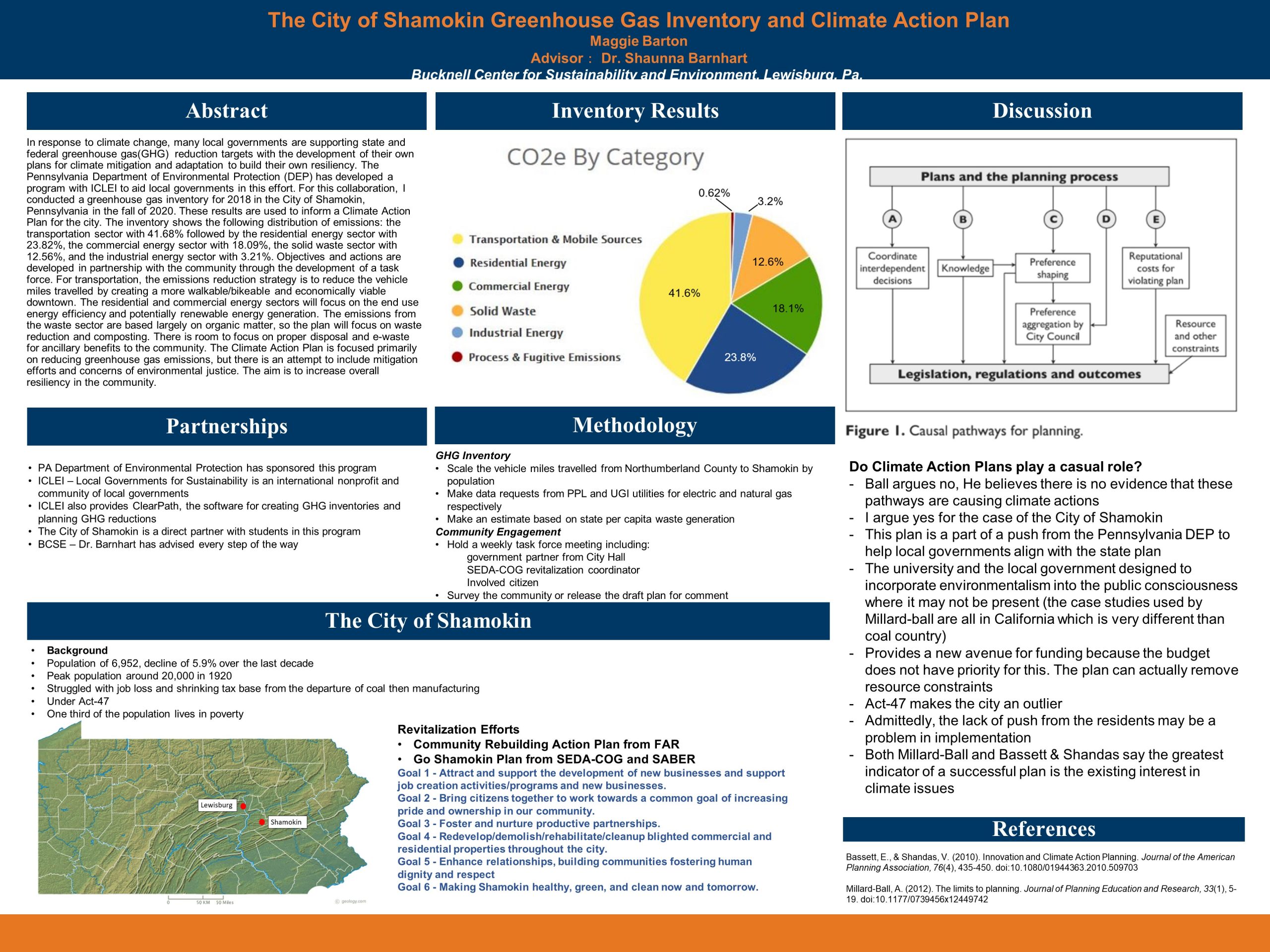
In response to climate change, many local governments are supporting state and federal greenhouse gas(GHG)  reduction targets with the development of their own plans for climate mitigation and adaptation to build their own resiliency. The Pennsylvania Department of Environmental Protection (DEP) has developed a program with ICLEI to aid local governments in this effort. For this collaboration, I conducted a greenhouse gas inventory for 2018 in the City of Shamokin, Pennsylvania in the fall of 2020. These results are used to inform a Climate Action Plan for the city. The inventory shows the following distribution of emissions: the transportation sector with 41.68% followed by the residential energy sector with 23.82%, the commercial energy sector with 18.09%, the solid waste sector with 12.56%, and the industrial energy sector with 3.21%. Objectives and actions are developed in partnership with the community through the development of a task force. For transportation, the emissions reduction strategy is to reduce the vehicle miles travelled by creating a more walkable/bikeable and economically viable downtown. The residential and commercial energy sectors will focus on the end use energy efficiency and potentially renewable energy generation. The emissions from the waste sector are based largely on organic matter, so the plan will focus on waste reduction and composting. There is room to focus on proper disposal and e-waste for ancillary benefits to the community. The Climate Action Plan is focused primarily on reducing greenhouse gas emissions, but there is an attempt to include mitigation efforts and concerns of environmental justice. The aim is to increase overall resiliency in the community. Continue reading CLIMATE ACTION PLANNING FOR THE CITY OF SHAMOKIN

Homelessness Research and Awareness Project

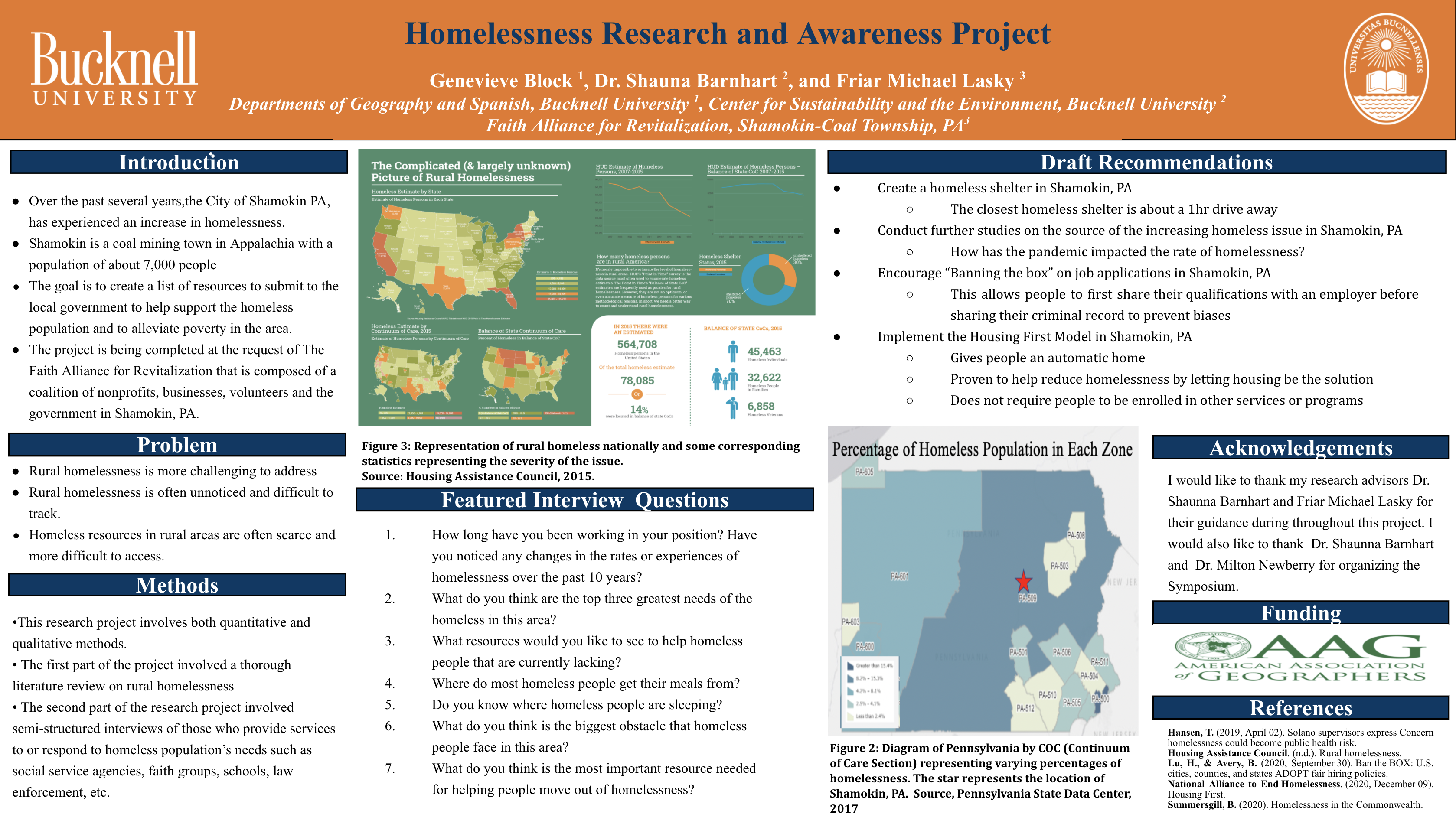
The Homelessness Research and Awareness Project seeks to address the rising issue of homelessness within Shamokin, PA. This project is being completed at the request of The Faith Alliance for Revitalization, a coalition of nonprofits, businesses, volunteers, and government in the Shamokin area. The goal of the research project is to better understand the problem of homelessness in the area by talking with organization leaders such as those in the church, library, social work, non-profits and government agencies, and the police department. The project will be completed by combining a literature review of how other rural towns have addressed the needs of homeless populations with the perspectives of local agencies. Ultimately, this project will culminate in a proposal to be submitted to the local government to provide resource ideas to support the homeless population and help to alleviate poverty in the area. Continue reading Homelessness Research and Awareness Project

Effect of Nitrates on Algae Bloom Formation

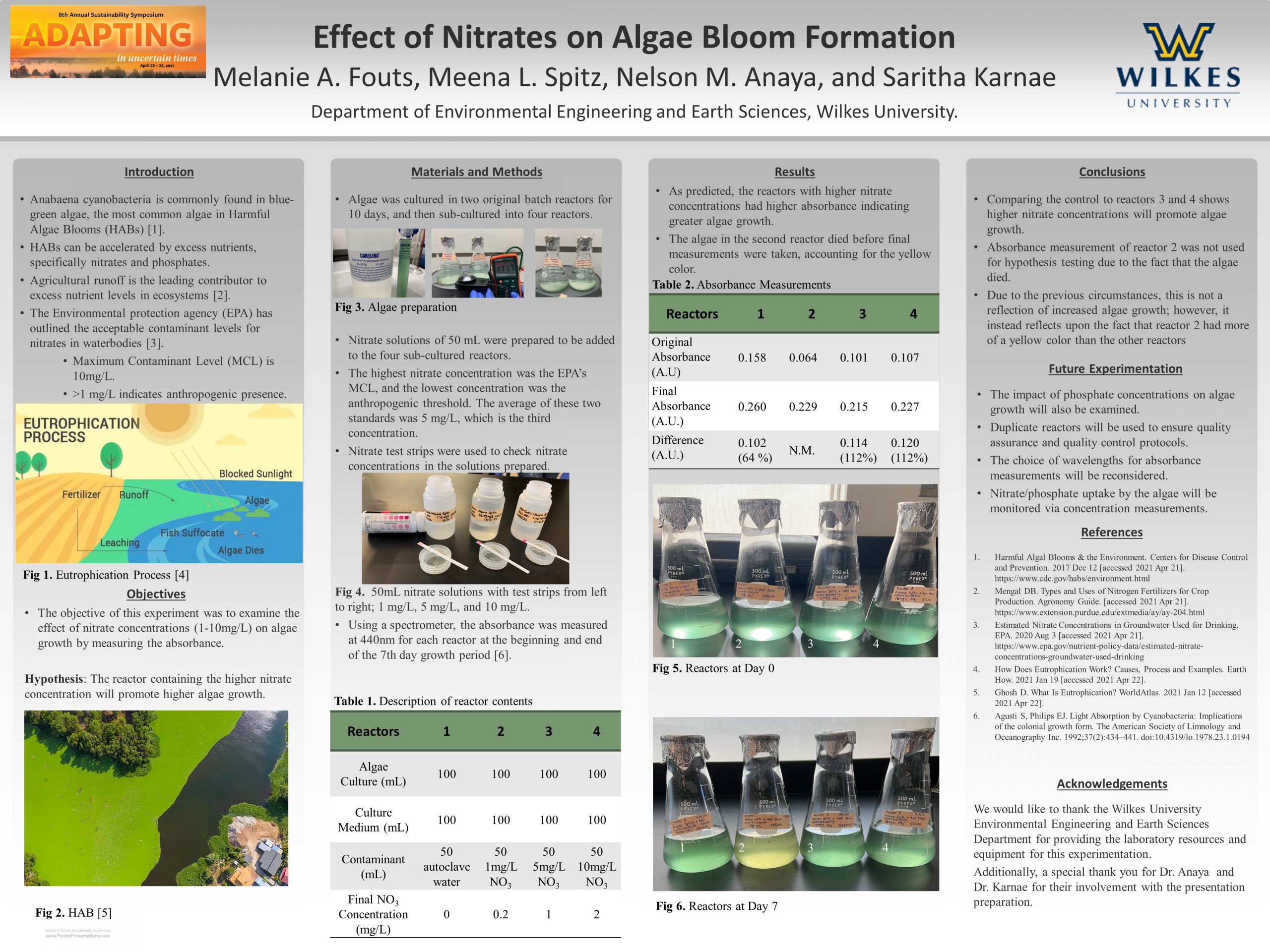
One of the largest threats to aquatic ecosystems are harmful algae blooms (HABs) which are caused by excess levels of nutrients such as phosphorus and nitrogen. Agricultural runoff is a relevant issue in North East Pennsylvania (NEPA) and a leading source of phosphorus and nitrogen into waterbodies. Excess of nitrates in soils that are not taken up by plants can seep into private drinking water wells. The overabundance of nitrates causes adverse human health effects as well as environmental havoc. Nitrates in drinking water can cause severe health problems for infants and the elderly, as well as minor to moderate problems for younger healthy people. According to the EPA, the lowest unnatural concentration of nitrates in drinking water is 1mg/L, which indicates an anthropogenic presence, and the maximum contaminant level (MCL) is 10mg/L, at which adverse human health effects are known to occur. In order to determine the relationship between algae growth and the presence of nitrates, Anabaena cyanobacteria was exposed to contaminant concentrations of 1 mg/L, 5 mg/L, and 10 mg/L based on the EPA standards. The algae content was measured using a spectrometer. The correlation between absorbance and nitrate concentration was analyzed to determine how algae growth varies with nitrate contamination. Preliminary results showed that an overabundance of nitrates such as 10 mg/L causes excess algae growth, it can be assumed that increased algae growth, absorbency values around 0.227, is indicative of higher nitrate concentrations. Therefore, it follows that increased algae populations implies a risk of nitrate contamination in drinking water. Continue reading Effect of Nitrates on Algae Bloom Formation

The Influence of the Transport of PM 2.5 and Ozone on Lancaster County Air Quality

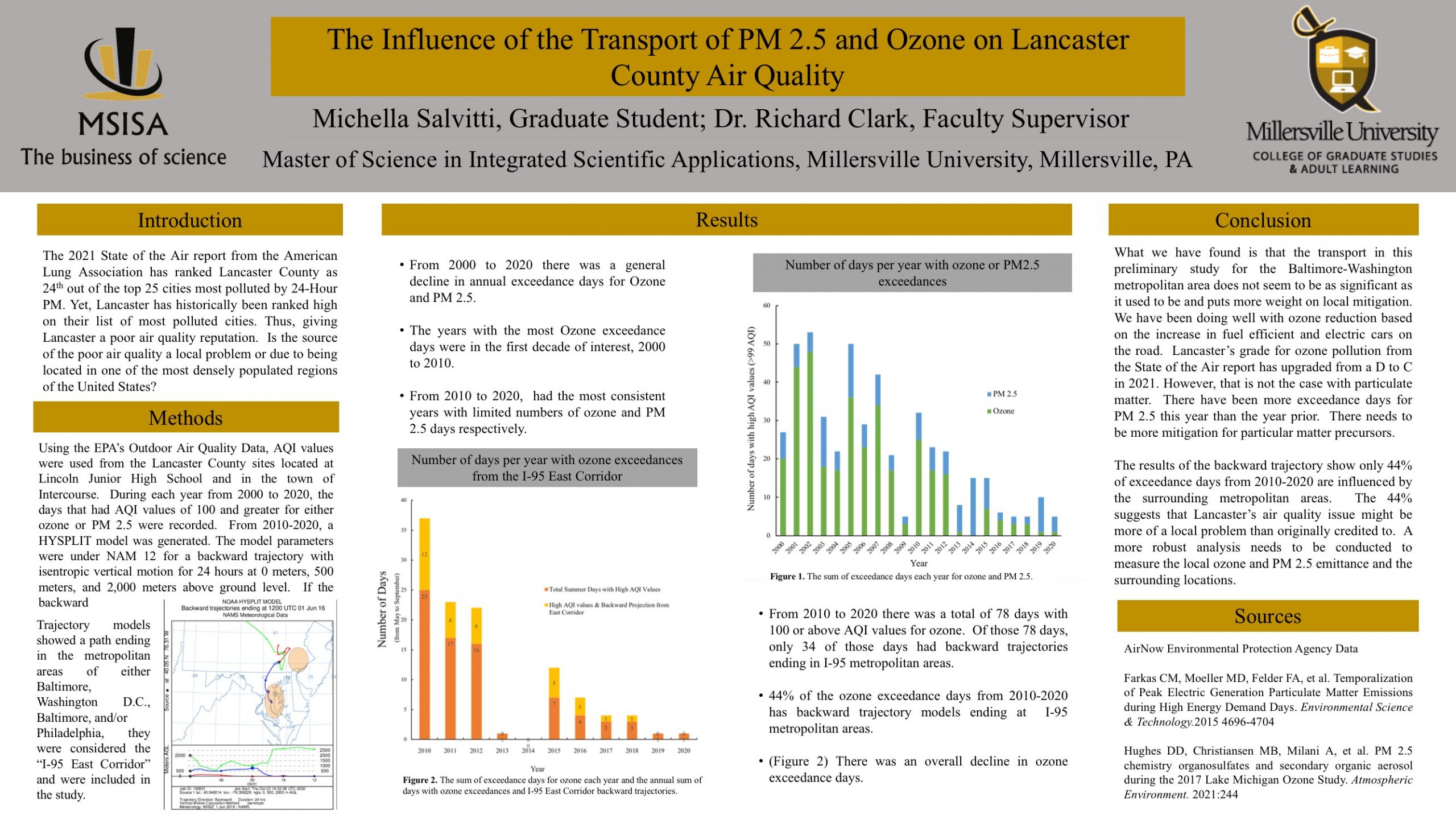
The collateral impact of emissions present in the atmosphere is exacerbated by the increased in ambient air temperatures. Utilizing the Environmental Protection Agency ‘s (EPA) outdoor air quality data from AirNow, we focus on the pollutants ozone and PM2.5 in Lancaster, Pennsylvania. This study is focused on days that recorded daily ozone and PM2.5 Air Quality Index (AQI) values that fell within a range of air quality that is unhealthy for sensitive groups to hazardous quality. Over the past two decades, 2000-2020, the days that reached AQI values within the range of focus decreased.

The most populated region of the United States is the Northeast Corridor. A megalopolis with a high concentrations of human activity can cause environmental health problems. Historically, the New York-Newark, Washington-Baltimore-Arlington, and Philadelphia-Reading-Camden regions make the American Lung Associations’ State of the Air Report’s top 25 Most Polluted Cities in the country for ozone. In the most recent State of the Air report, Lancaster, Pa was ranked 27 of 203 metropolitan areas for annual particle pollution. We generated Hybrid Single-Particle Lagrangian Integrated Trajectory (HYSPLIT) backward trajectory models starting at Lancaster, Pa for each day with ozone exceedances between 2010-2020. That decade recorded 78 days with high ozone values. Of those 78 days, 44% of days have models that show air particles from metropolitan areas along the Northeast Corridor present in Lancaster air. Continue reading The Influence of the Transport of PM 2.5 and Ozone on Lancaster County Air Quality

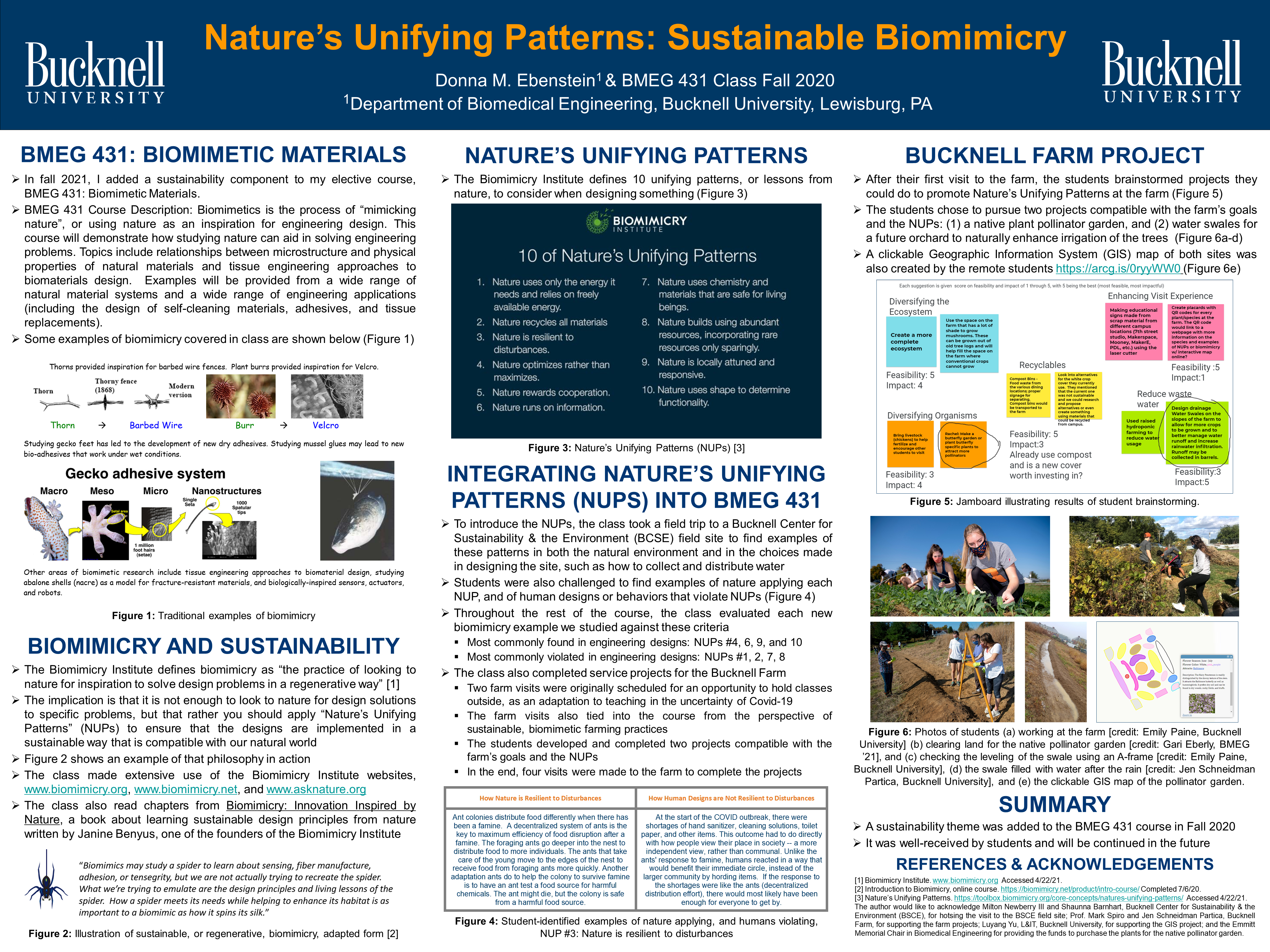
Nature’s Unifying Patterns: Sustainable Biomimicry

In fall 2020, I added a sustainability component to my elective course, BMEG 431: Biomimetic Materials. The Biomimicry Institute (biomimicry.org) defines biomimicry as “the practice of looking to nature for inspiration to solve design problems in a regenerative way.” The implication is that it is not enough to look to nature for design solutions to specific problems, but that rather you should apply “Nature’s Unifying Patterns” to ensure that the designs are implemented in a sustainable way that is compatible with our natural world. According to this site (https://toolbox.biomimicry.org/core-concepts/natures-unifying-patterns/), Nature:
• uses only the energy it needs and relies on freely available energy,
• recycles all materials,
• is resilient to disturbances,
• tends to optimize rather than maximize,
• provides mutual benefits,
• runs on information,
• uses chemistry and materials that are safe for living beings,
• builds using abundant resources, incorporating rare resources only sparingly,
• is locally attuned and responsive, and
• uses shape to determine functionality.
To introduce these patterns, we took a field trip to a Bucknell Center for Sustainability & the Environment (BCSE) field site to find examples of these patterns in both the natural environment and in the choices made in designing the site, such as how to collect and distribute water. Throughout the rest of the course, we evaluated each new biomimicry example we studied against these criteria. Finally, the class did a service project with the Bucknell Farm. After visiting the farm, the students brainstormed projects they could do to promote Nature’s Unifying Patterns at the farm. They came up with two projects compatible with the Farm’s goals and Nature’s Unifying Patterns: (1) a native plant pollinator garden, and (2) water swales for a future orchard to naturally enhance irrigation of the trees. A clickable map of both sites was also created by the remote students. Both projects were completed by the end of the semester. Continue reading Nature’s Unifying Patterns: Sustainable Biomimicry

A Cross-disciplinary Analysis of Sustainability and Business Performance: Finding New Metrics

At the intersection of the operations management and financial reporting literature, the importance of impact measurement of activities towards operational excellence has long been recognized. Of specific interest are effects on financial performance of continuous improvement frameworks that target quality (e.g. Total Quality Management (TQM), Six Sigma, ISO9000, Corbett et al., 2005, Chatzoglou et al., 2012), cost efficiencies (e.g. Lean Manufacturing) or combinations thereof; but also environmental management systems (EMS, e.g. ISO14001) and on a more systemic scale, the achievement of sustainability, e.g. the United Nation’s Sustainable Development Goals (SDGs) (Mura et al., 2018). Firms that aspire reaching one of more of these SDGs need to establish sustainable initiatives while simultaneously ensuring long-term corporate viability (Elkington, 1994).
With the introduction of ISO 14001 by the International Standards Organization in 1996, firms receive certification when achieving appropriate Environmental Management Systems – a stepping stone towards systemic sustainability initiatives. One of the benefits of ISO 14001 implementation – besides improved environmental performance – could be improved financial performance, through higher efficiency, less waste, and market signaling (Johnstone and Labonne, 2009). However, the evidence in the literature is inconclusive. Klingenberg, Timberlake, Geurts, and Brown (2013), argued and to a certain account showed, that this could be the result of using the wrong metrics. This follow-up research by Klingenberg, Geurts and a Bucknell student, Bryan Scutari, supported by a generous grant of the Institute of Management Accountants, is now exploring better metrics to measure the impact of ISO 14001 on the financial performance of firms. This oral research presentation discusses the historical development of ISO 14001, analyzes how the implementation of ISO 14001 affects the financial performance of firms, and how that results in the development of appropriate metrics. Continue reading A Cross-disciplinary Analysis of Sustainability and Business Performance: Finding New Metrics

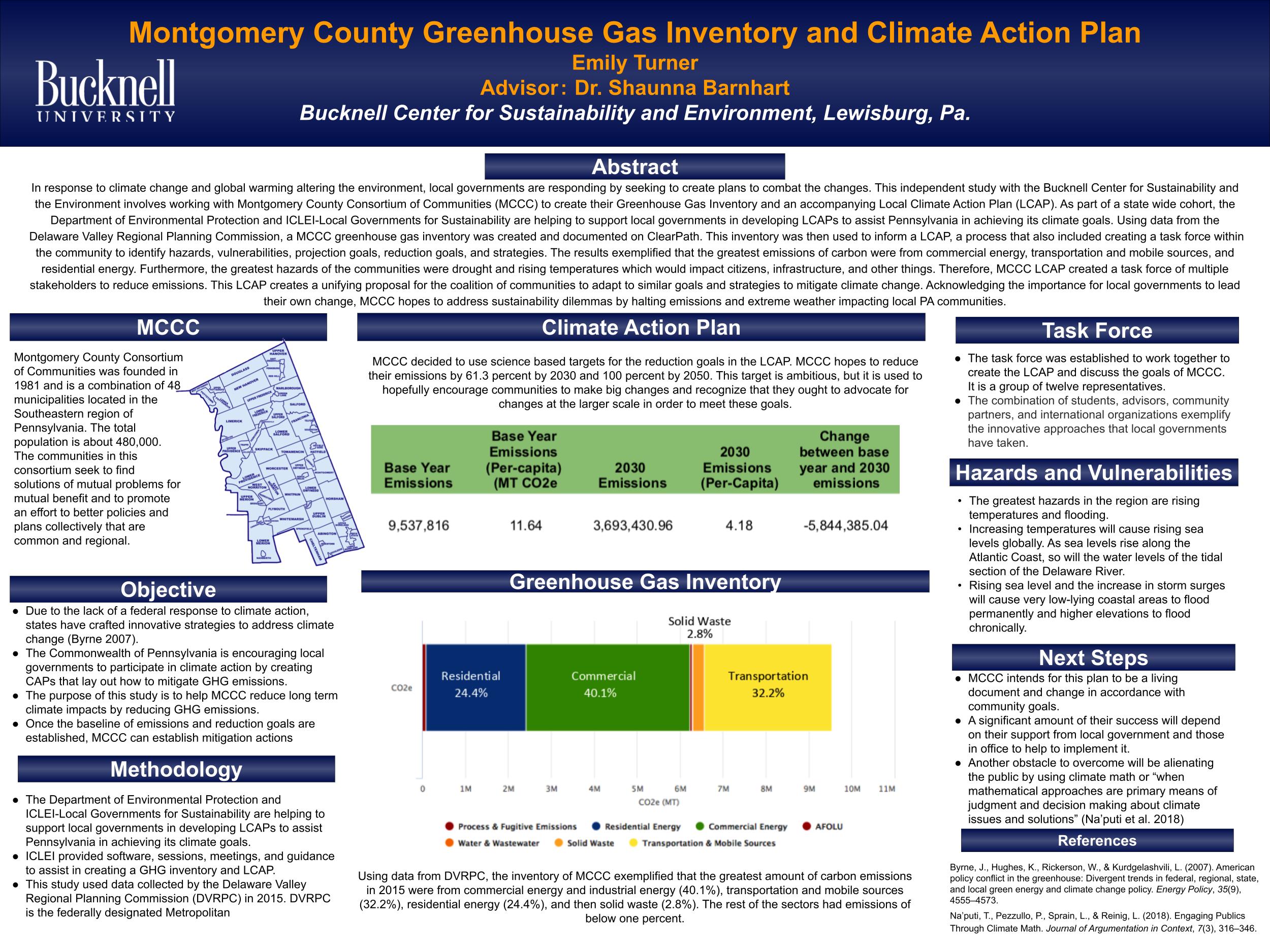
Montgomery County Greenhouse Gas Inventory and Climate Action Plan

In response to climate change and global warming altering the environment, local governments are responding by seeking to create plans to combat the changes. This independent study with the Bucknell Center for Sustainability and the Environment involves working with Montgomery County Consortium of Communities (MCCC) to create their Greenhouse Gas Inventory and an accompanying Local Climate Action Plan (LCAP). As part of a state wide cohort, the Department of Environmental Protection and ICLEI-Local Governments for Sustainability are helping to support local governments in developing LCAPs to assist Pennsylvania in achieving its climate goals. Using data from the Delaware Valley Regional Planning Commission, a MCCC greenhouse gas inventory was created and documented on ClearPath. This inventory was then used to inform a LCAP, a process that also included creating a task force within the community to identify hazards, vulnerabilities, projection goals, reduction goals, and strategies. The results exemplified that the greatest emissions of carbon were from commercial energy, transportation and mobile sources, and residential energy. Furthermore, the greatest hazards of the communities were drought and rising temperatures which would impact citizens, infrastructure, and other things. Therefore, MCCC LCAP created a task force of multiple stakeholders to reduce emissions. This LCAP creates a unifying proposal for the coalition of communities to adapt to similar goals and strategies to mitigate climate change. Acknowledging the importance for local governments to lead their own change, MCCC hopes to address sustainability dilemmas by halting emissions and extreme weather impacting local PA communities. Continue reading Montgomery County Greenhouse Gas Inventory and Climate Action Plan

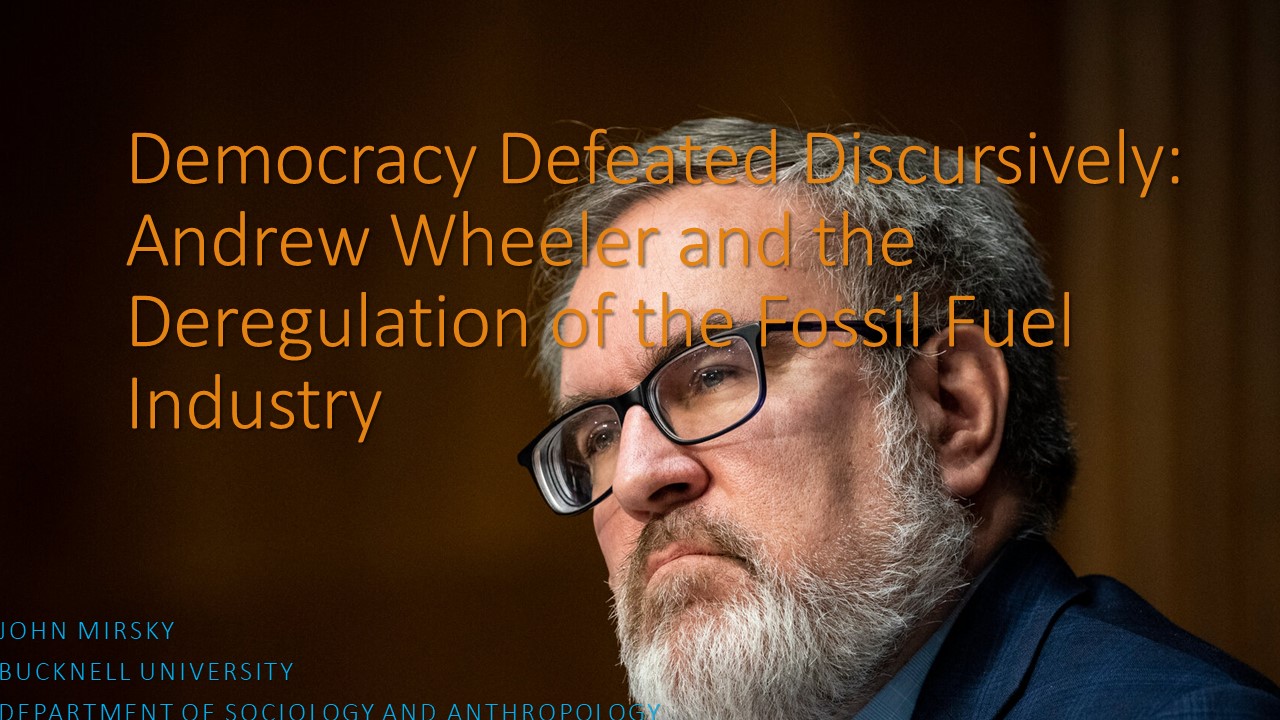
Democracy Defeated Discursively: Andrew Wheeler and the Deregulation of the Fossil Fuel Industry

With over 70% of the U.S. population believing that climate change is a serious problem that merits immediate confrontation, it is both surprising and a serious ecological threat that the Environmental Protection Agency (EPA) furthered over 50 deregulatory actions during the Trump Presidency. While previous research has mostly focused on large economic models and social structures, this project takes a semiotic approach in addressing the issue by analyzing the speech of former EPA administrator Andrew Wheeler in its relationship with this outcome. Through a detailed content analysis of a 3-hour confirmation hearing and a 10-minute news interview, I analyze how Wheeler strategically employs specifically-indexed terms in a way characterized by Aaron Stibbe’s forms of erasure. Findings reveal that Wheeler utilizes all three of Stibbe’s forms of erasure to highlight the import of certainty and other neoliberal tenets in an attempt to align his deregulatory agenda with these tenets. The void-form is most prevalent, indicative of the lack of resistance met by Wheeler in congress. These actions of Wheeler make difficult the possibility of regulatory action in congress, where neoliberalism has been shown to be highly prized. Frequency analyses find that the term certainty is utilized frequently by Wheeler. In light of such findings, it may be fruitful to analyze the speech of other government officials through this lens to allow for meaningful praxis. Continue reading Democracy Defeated Discursively: Andrew Wheeler and the Deregulation of the Fossil Fuel Industry